In Budunbuto and Qabaal communities, prolonged drought has severely affected household food security, placing additional pressure on families and disrupting children’s education. Many households struggled to prepare three meals per day, forcing children to attend school hungry or miss classes altogether. Prior to the School Feeding Program, students depended on small amounts of break money from their parents to buy food during school hours. As the drought intensified, most parents were no longer able to provide this support, contributing to low attendance, irregular enrollment, and reduced concentration in class.
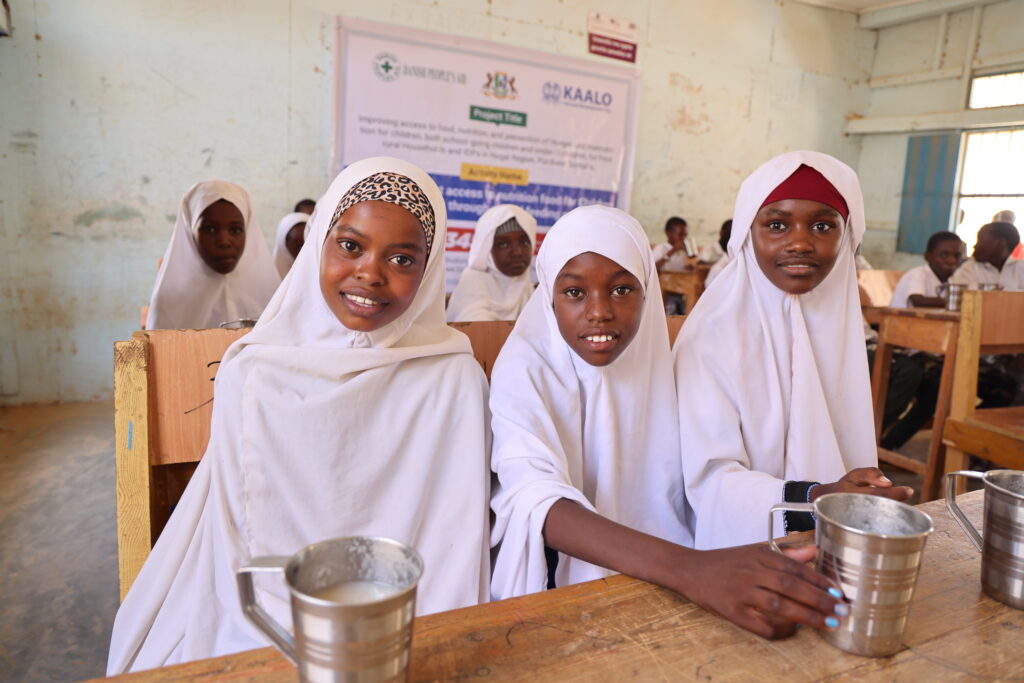
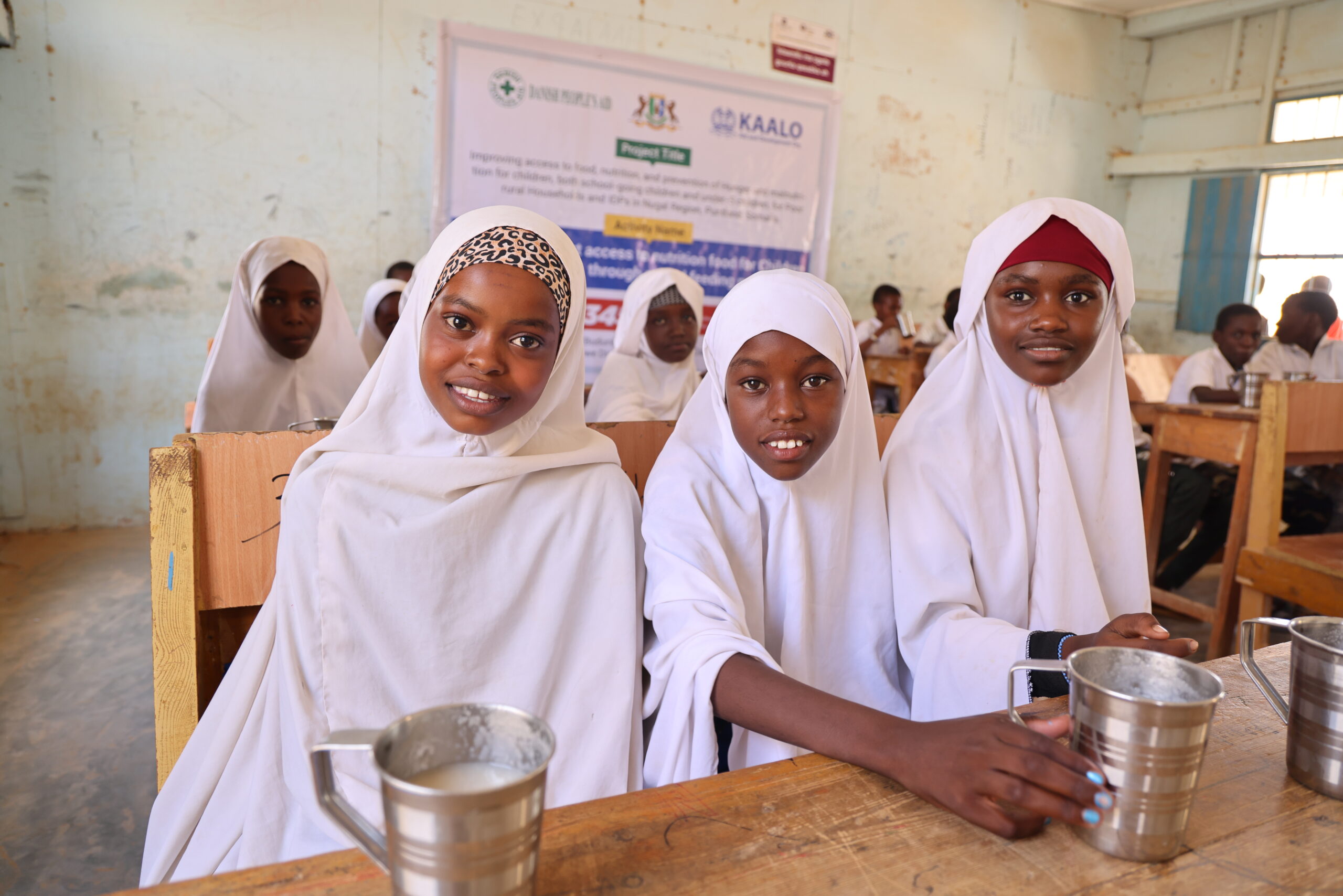
The School Feeding Program implemented at Budunbuto School, Shabelle School, and Somali Autism School in Qabaal played a critical role in addressing these challenges by supporting 790 students with regular, nutritious meals during the school day. The intervention ensured that children received at least one reliable meal daily, improving their ability to attend school consistently and participate actively in learning.
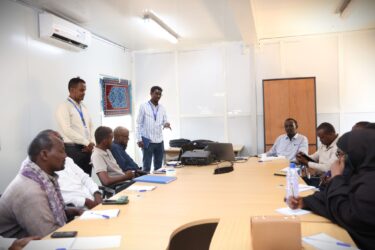
To assess community perceptions and program outcomes, a Focus Group Discussion (FGD) was conducted with the Community Education Committees (CECs) of Budunbuto School. During the discussion, CEC members reported a significant increase in student enrollment and described student attendance throughout the term as extraordinary, despite the ongoing drought. Teachers and committee members noted that students arrived on time, remained in class for the full school day, and showed improved attention and participation.
Parents of students also shared positive feedback through the CECs, highlighting that the school feeding program eliminated the need for break money, reducing financial stress on households already affected by food shortages. Many parents emphasized that even on days when families were unable to cook enough food at home, they felt reassured knowing their children would receive a meal at school.
The community expressed strong satisfaction with the program, recognizing its role in protecting children’s education during a humanitarian crisis. At Somali Autism School, the feeding support was particularly important in maintaining attendance and stability for children with special needs, contributing to a more inclusive and supportive learning environment.
The School Feeding Program has demonstrated a clear impact on enrollment, attendance, and learning conditions for drought-affected children in Budunbuto and Qabaal. The active engagement of Community Education Committees, school administrations, and parents strengthens accountability and supports sustainability. By addressing immediate nutritional needs while promoting access to education, the program has helped ensure that children remain in school, learn with dignity, and maintain hope for a better future.