Horogle village is a rapidly growing rural settlement located on the outskirts of Galkacyo town in the Mudug region. For many years, the community struggled with chronic water shortages. Residents were forced to walk long distances to collect unsafe water from unprotected and unreliable communal water catchments, locally known as berkads. This situation placed a heavy burden on households and posed serious risks to human and livestock health, especially during prolonged dry seasons.
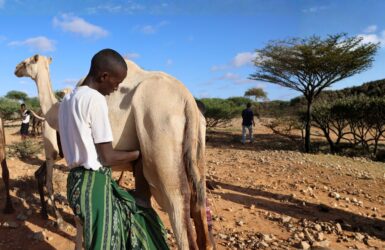
Daahir Ali Yusuf, a 48-year-old father of nine children, is one of the camel holders who was severely affected by the lack of water. As a pastoralist whose livelihood depends on camel rearing, Daahir previously faced immense challenges accessing water for his animals. During drought periods, he was often forced to walk his camels over long distances in search of water, leading to animal fatigue, reduced productivity, and increased risk of livestock losses.
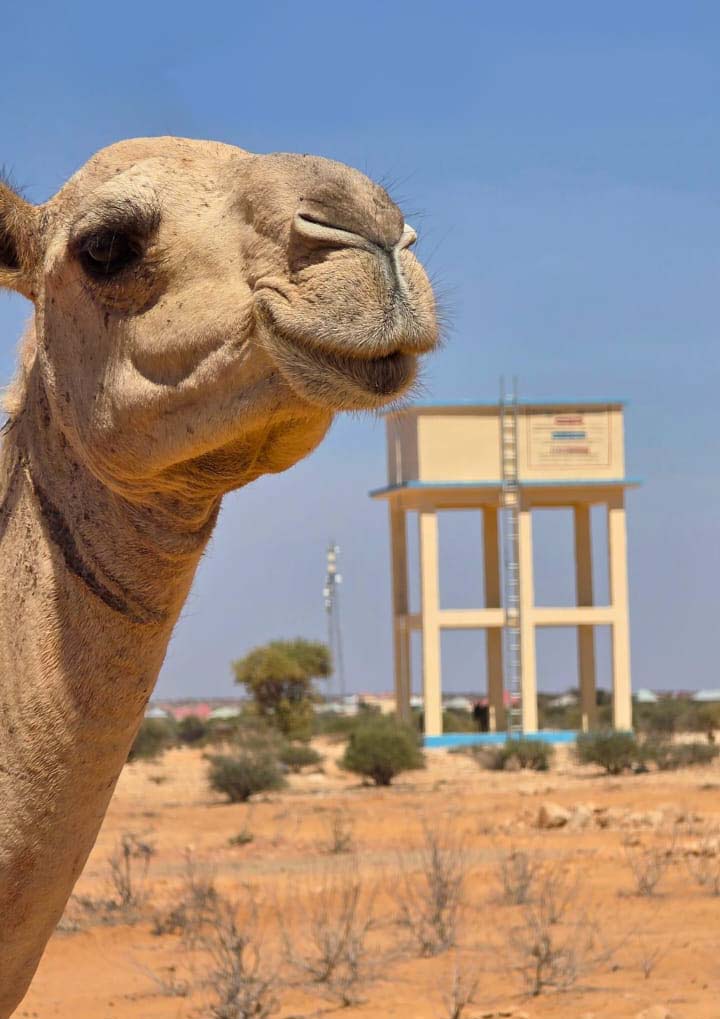
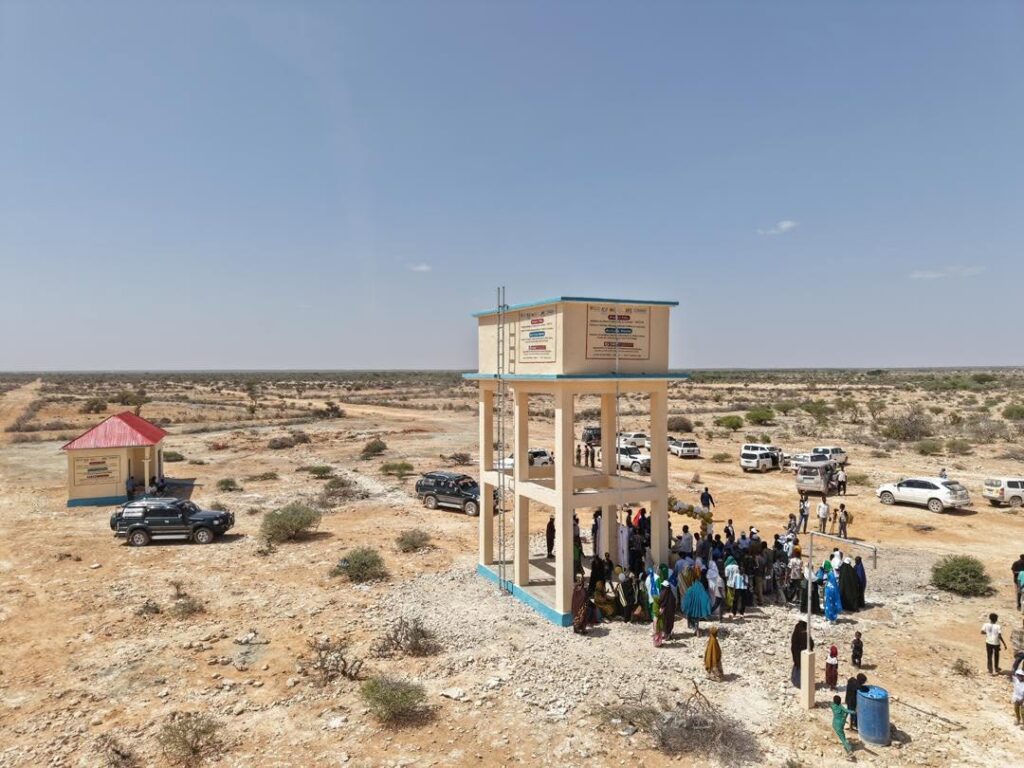
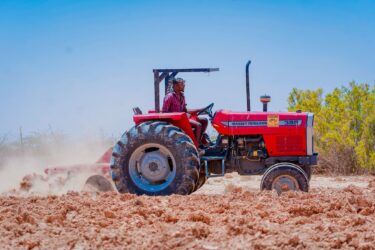
This situation changed with the installation of a new borehole in Horogle village by KAALO under its WASH program, with support from the BRCIS III funded by FCDO. The borehole was established to provide safe and reliable water to drought-affected communities and to support community-led agroecological production through the formation of small-scale farmer groups for sustainable irrigation.
Since the borehole became operational, Daahir and other camel holders now have consistent access to clean water within proximity to their camels. The availability of water has significantly reduced the impact of drought on livestock, improved animal health, and eased the daily burden on pastoral households. In addition, the water source benefits the wider community by supporting domestic use and small-scale agricultural activities.
According to Daahir, the borehole has restored hope and resilience among pastoralists in Horogle village, strengthening their ability to withstand future droughts and sustain their livelihoods with dignity.