Jaamac Cali Shire, a 52-year-old father of six children, four boys and two girls is a pastoralist whose livelihood depends entirely on livestock rearing, the main source of food and income for his family. He lives in Balibusle village, a remote settlement under Jariiban District in the Mudug Region of Somalia. Like many families in the area, his household depends on pastoralism as its primary livelihood, relying on livestock to meet daily food needs and generate income.
In recent years, recurrent droughts and the delayed Deyr and Gu rainy seasons have severely affected the community. The lack of rainfall caused acute shortages of natural pasture and water. Livestock became weak, milk production dropped significantly, and some animals died due to starvation. During the dry seasons, especially the Jilaal, the situation became unbearable. Men and boys were forced to migrate long distances in search of pasture and water, sometimes staying away for weeks, placing heavy stress on the families left behind.
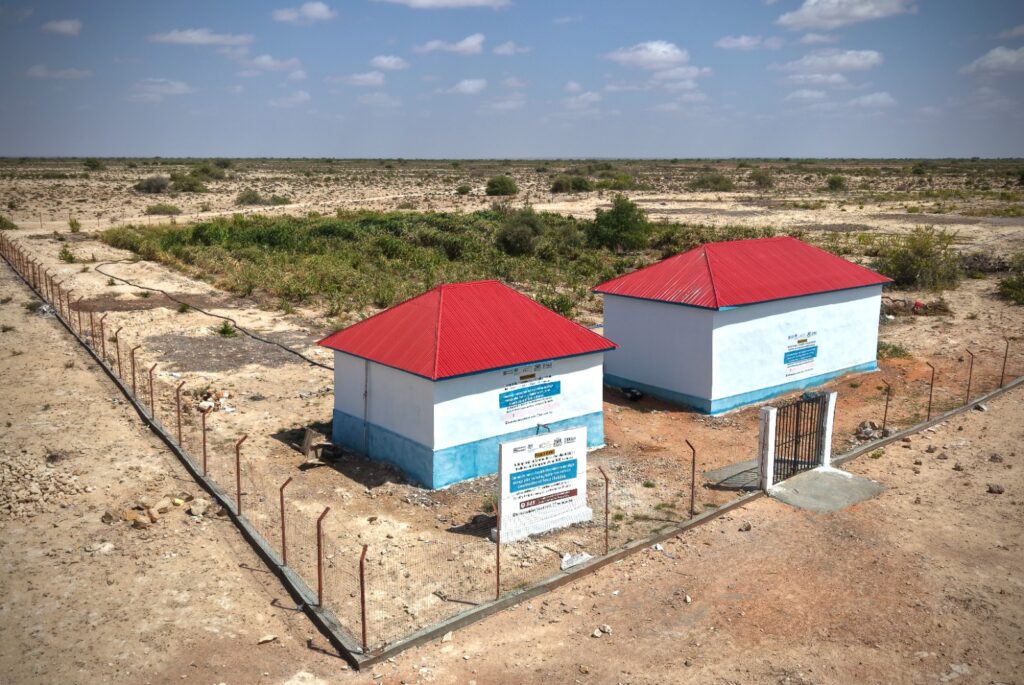
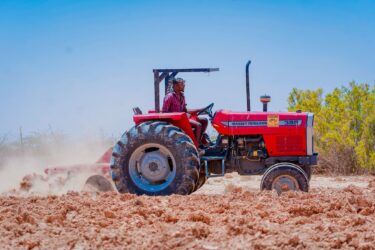
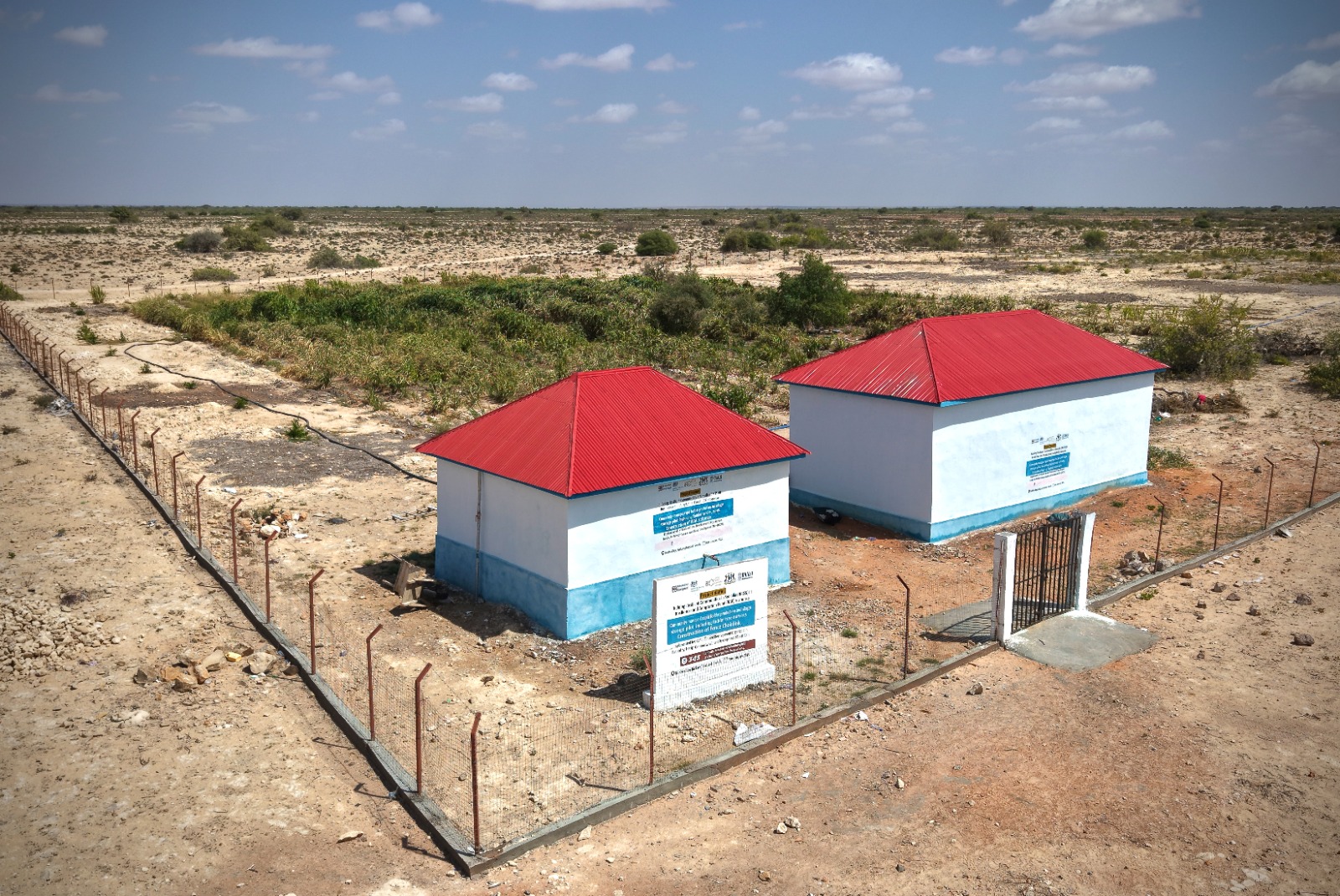
The situation began to change when KAALO, with support from the BRCIS III Consortium funded by FCDO, intervened in the community. The project provided fodder seeds, farming tools, water pumps, fuel, and technical assistance for land preparation. As a community, they cultivated two acres of land and planted Sudan grass, Super Napier grass, and maize for community fodder and silage production. The crops grew well despite the harsh conditions.
Today, the community has access to post-harvest fodder forage and hay, which has transformed livelihoods. Jaamac now has sufficient fodder to feed his livestock throughout the dry season. His animals are healthier, stronger, and more productive. Milk and meat production has increased, improving both household nutrition and income.
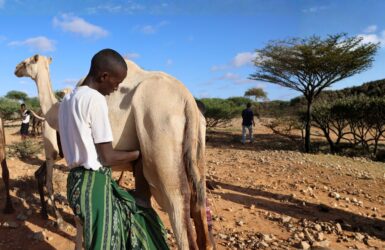
Currently, Jaamac owns about 80 livestock, including goats, sheep, and two camels. Fifteen of his goats recently gave birth, providing fresh milk for his children and surplus milk that he sells to purchase essential household items such as sugar, cooking oil, and school supplies. The family purchases around 20 kg of fodder hay per week, which provides high-protein feed that boosts animal energy, improves milk yield, and increases meat production.
“I sincerely thank KAALO Aid, BRCIS III Consortium and the donor FCDO for supporting the establishment of the community fodder production center. This sustainable livestock feed support has restored our hope, protected our animals, and improved our livelihoods.”